Home Decor
Cozy Bedroom Refresh Ideas That Feel Like a Hotel
Written by Clara Bennett, Fashion & Home Editor
Last updated Sep 4, 2026 10 min read
This post contains affiliate links. If you purchase through these links, we may earn a commission at no extra cost to you. Read our full Affiliate Disclosure.
Quick Summary
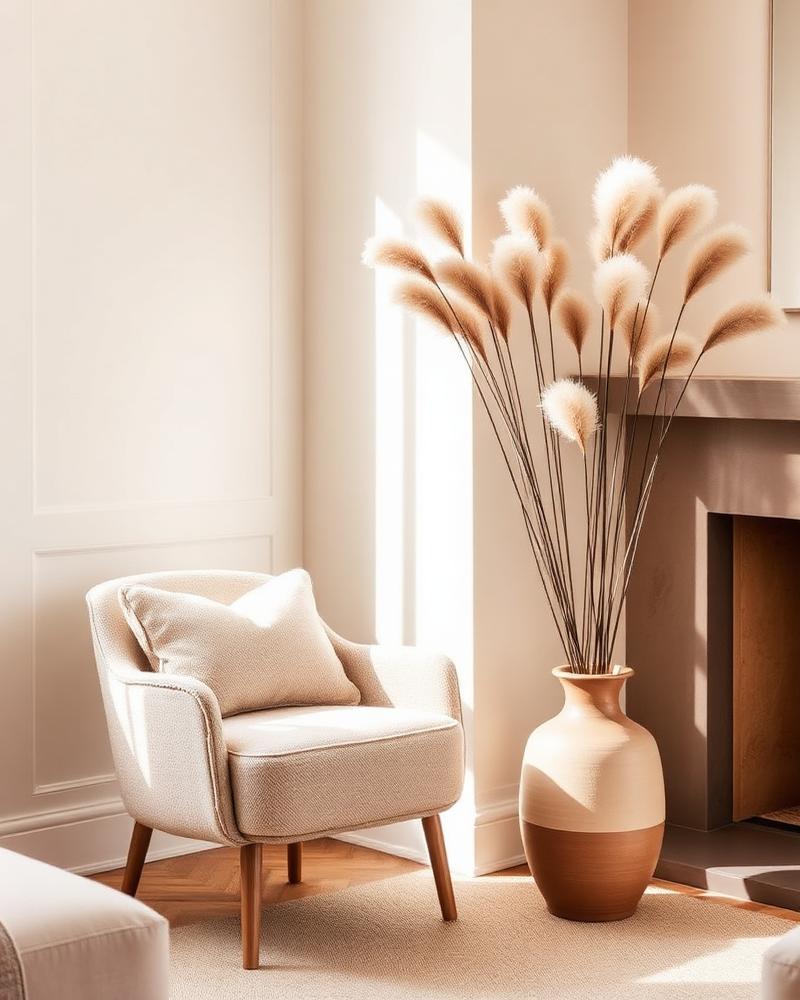
A cozy bedroom comes from soft layers, warm light, a clear bedside zone and a few intentional edits — not a full furniture overhaul.
Introduction
The best hotel bedrooms do not feel impressive because they are expensive. They feel impressive because every layer has been chosen to do one job: soften sound, dim light, add texture or create a sense of order. Most everyday bedrooms have the same basic pieces — a bed, two nightstands, a wardrobe and a lamp — but feel flat because the layers are missing or they fight each other. A cozy bedroom refresh works by adding softness where the room is hard, warmth where the light is cold, and negative space where the eye has too much to read. The good news is that almost every change is reversible and most of the budget goes toward textiles and lighting, which cost far less than replacing furniture. This guide walks through the four zones that matter most in a bedroom, the specific mistakes that make a room feel restless, and a simple order of operations so you can refresh over a weekend without regretting a single purchase.
Start with the bed as a visual anchor
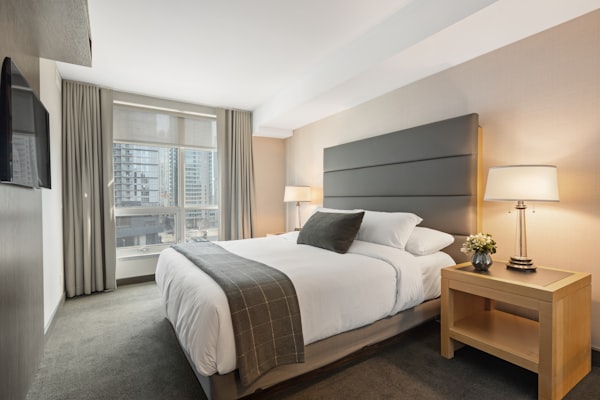
The bed is the largest surface in the room, which means it sets the tone for everything else. If the bedding is busy, the whole room feels busy. If the bedding is flat, the room feels unfinished. The easiest fix is to build the bed in three textile layers: a base in a quiet colour, a middle layer that adds texture, and a top layer that introduces pattern or contrast.
Begin with sheets in a warm off-white, oatmeal or pale greige. Cool whites can look crisp in a bathroom but often feel clinical in a bedroom, especially under artificial light. A linen or cotton-percale duvet cover in a tone slightly darker than the sheets gives the bed depth without introducing a new colour. Finally, add a throw or a folded lightweight blanket at the foot of the bed in a texture that contrasts with the duvet — chunky knit, waffle weave or a washed cotton stripe.
Pillars of the layered bed: two sleeping pillows in standard pillowcases, two European or standard shams in front, and one lumbar or rectangular accent pillow. The common mistake is to use too many small decorative cushions, which make the bed look fussy. Three well-sized pillows read as intentional; seven small ones read as clutter.
How to choose a colour palette that stays calm
Pick one base colour, one neutral two shades deeper, and one accent that appears in only two places. For example: warm white walls and bedding, greige headboard and curtains, and a single terracotta or clay tone repeated in a throw pillow and a ceramic lamp. The accent should never appear in three unrelated objects or the room starts to feel themed rather than layered.
Fix the lighting before you buy anything decorative
Bedrooms need three light sources at different heights, all on dimmers or smart controls if possible. The ceiling fixture is for orientation only; it should not be the main light you use in the evening. Bedside lamps are the most important layer because they sit closest to eye level and create the warm pools of light that make a room feel intimate.
Choose bedside lamps with opaque shades rather than bare bulbs or clear glass. Opaque shades direct light down and out, which is what makes a room glow rather than glare. The bottom of the lampshade should sit roughly at eye level when you are sitting up in bed, usually 40 to 50 centimetres above the mattress.
Use 2700K bulbs in every fixture in the room, including the ceiling. Mixed colour temperatures are one of the fastest ways to make a bedroom feel cheap or institutional. If you read in bed, add a small directional reading light or a lamp with a dual socket so task light does not have to come from the same warm ambient source.
The budget lighting upgrade
Replace existing bulbs with dimmable 2700K LEDs, add plug-in wall sconces or clip lights on either side of the bed, and put every lamp on a smart plug or dimmer. For under the cost of one new decorative object, the room will feel dramatically warmer in the evening.
Create a clear bedside zone
The space within arm's reach of the bed is where a room feels functional or frustrating. A good bedside zone has room for a lamp, a small tray or dish, a book or device, and a glass of water. If the nightstand is too small, the items migrate to the floor or pile on top of each other, which makes the whole room feel untidy even when it is clean.
You do not need matching nightstands. Two pieces of similar height and visual weight work better than two identical cheap tables. Look for a surface height within five centimetres of the top of the mattress so you are not reaching up or down in the dark. If floor space is tight, a floating shelf or a small stool can act as a nightstand without crowding the room.
Keep the top surface mostly empty. The rule is: one lamp, one personal item, and one functional item. A lamp, a small vase with a single stem, and a coaster is enough. Everything else belongs in a drawer, basket or wardrobe. Bedrooms feel cozy partly because they feel controlled, and the bedside table is the first place that control breaks down.
Add softness through rugs, curtains and textiles
Hard floors and bare windows make a bedroom feel echoey and exposed. A rug under the bed is the single biggest textural upgrade after lighting. It should extend at least 45 centimetres beyond each side and the foot of the bed so you step onto it when you get up. If the room is small, a large rug that sits under the front legs of the bed and the entire nightstand area is better than a small rug floating in the middle of the floor.
Curtains add softness in two ways: they frame the window and they absorb sound. Hang the rod close to the ceiling and extend it 15 to 30 centimetres beyond the window frame on each side so the window feels larger and the curtains stack against the wall rather than blocking glass. Choose a fabric with some weight — linen, cotton canvas or a light velvet — rather than thin sheers unless privacy is the only goal.
Layering textiles is not about adding more blankets. It is about giving the eye different textures at different heights: a woven rug underfoot, smooth bedding, a nubby throw, weighty curtains, and maybe one upholstered or timber element. Five textures in a quiet palette will always feel more expensive than five colours in one texture.
Small-bedroom adjustments
In a small bedroom, use one large statement piece instead of many small ones: one oversized piece of art, one generous mirror, or one substantial headboard. Mount sconces on the wall to free nightstand space. Choose a rug that extends under the bed and nightstands to unify the zone, and keep curtains the same colour as the walls so the room feels continuous rather than chopped into pieces.
Edit and personalise with restraint
Cozy rooms are curated, not crowded. Start by removing roughly a third of the visible objects in the room. Store them for two weeks and notice what you actually miss. Most people keep decorative items out of habit, and the room improves the moment they are gone.
When you add objects back, choose pieces that serve a purpose or carry meaning. A ceramic bowl that holds jewellery, a framed print you have owned for years, or a small stack of books you genuinely return to all earn their place. Decorative objects that have no connection to your life make the room feel like a showroom.
Plants and natural materials help a bedroom feel alive, but use them sparingly. One medium plant on a windowsill or a small stool, one wooden object, and one ceramic or stone piece is enough for most bedrooms. The goal is layers of texture, not a collection of objects.
Common mistakes and how to fix them
The most common mistake is buying a full matching bedroom set. Matching furniture tends to look heavy and dated, and it removes the layering that makes a room feel personal. If you already own a matching set, break it up by swapping handles, painting one piece, or replacing the headboard with an upholstered or timber alternative.
Another mistake is hanging art too high. The centre of a piece above the bed should sit roughly 145 to 150 centimetres from the floor, or about eye level from a seated position. Art hung at standing eye level makes the bed feel small and the ceiling feel low.
Finally, avoid the temptation to add too many patterns. A bedroom should feel restful, and pattern is visually active. If you want pattern, use it in one place only — bedding, curtains or a rug — and keep everything else solid. Two competing patterns in a small room will always feel noisy.
Expert Tips
- Use 2700K bulbs in every fixture for consistent warmth.
- Layer the bed in three textiles: sheets, duvet, throw.
- Hang curtains high and wide to make windows feel larger.
- Keep the bedside surface to one lamp, one personal item, one functional item.
- Remove a third of visible objects, then add back only what you miss.
Products We Recommend
Affiliate links — we may earn a commission at no extra cost to you.
Bedsure Linen Feel Duvet Cover — White Queen
Hotel-soft prewashed duvet cover in white — ultra soft cotton-like feel, hidden zipper, 8 corner ties. The single upgrade that transforms any bedroom instantly.
- ✓Prewashed — soft from day one
- ✓Hidden zipper + 8 corner ties
- ✓Machine washable
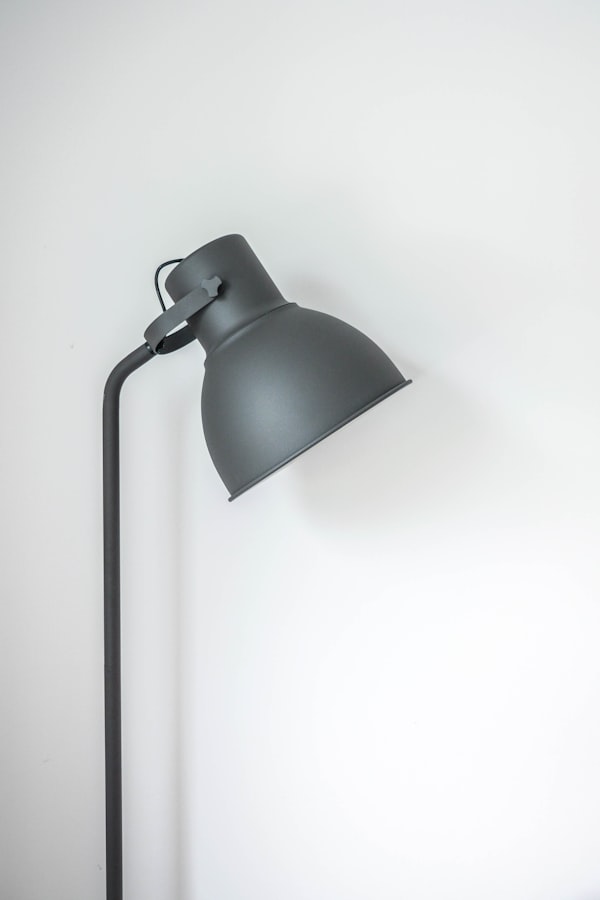
Dimmable Touch Bedside Table Lamp with USB
Warm dimmable bedside lamp with fabric lampshade and wood-grain base. 3-way touch dimmer, USB-A and USB-C charging ports built in. Creates that soft golden glow every cozy bedroom needs.
- ✓3-way touch dimmer — warm 2700K light
- ✓Built-in USB charging port
- ✓Fabric shade + wood base — elegant look

Chunky Knit Throw Blanket — Ivory Cream
Handmade chunky chenille knit throw in ivory — draped over the corner of your bed it instantly adds that boutique hotel look. Gets softer with every wash.
- ✓Handmade chunky chenille knit
- ✓Ivory tone — matches any bedroom palette
- ✓Large size — perfect for bed corner drape
Mkono Macrame Wall Hanging — Natural Cotton
Handwoven boho macrame wall hanging in natural cotton — the easiest way to add texture and warmth to a bare bedroom wall with zero renovation needed.
- ✓Handmade natural cotton — unique every time
- ✓Includes wooden hanging dowel
- ✓Suits boho, minimal and Scandi styles
Save These Pins
Frequently Asked Questions
What is the cheapest change with the biggest impact?
Replacing cool white bulbs with dimmable 2700K LEDs and adding opaque-shade bedside lamps. It changes how every other object in the room looks and costs very little.
How do I make a small bedroom feel cozy, not cramped?
Use one large rug under the bed and nightstands, mount wall sconces to free surfaces, keep curtains the same colour as the walls, and choose one oversized statement piece instead of many small decorations.
Do I need matching nightstands?
No. Two pieces of similar height and visual weight usually look more interesting than a matching set. Just make sure the surface is close to mattress height.
How many pillows should a cozy bed have?
Three to five well-sized pillows is enough: two sleeping pillows, two shams and one accent pillow. Too many small cushions makes the bed look cluttered.
Final Takeaway
A bedroom refresh does not require new furniture or a big budget. Start by swapping every bulb to 2700K and adding bedside lamps that sit at the right height. Layer the bed in three textiles within one calm colour family, add a rug that extends beyond the bed, and hang curtains high and wide. Clear the bedside zone to one lamp, one personal item and one functional item, then edit the rest of the room until only meaningful objects remain. Work through the changes in that order — light, bed, rug, curtains, edit — and the room will feel calmer, warmer and more like the hotel rooms you actually want to come home to.
Clara Bennett
Fashion & Home Editor
Clara Bennett curates Glowora's fashion and style content, focusing on practical, wearable pieces and combinations readers can actually build a wardrobe around. She also writes Glowora's home décor and gifting guides, focusing on achievable, budget-conscious ideas that don't require a full renovation.
Comments
Related Articles


Free beauty inspiration, every week
Weekly trending pins, seasonal beauty guides and the looks worth saving — straight to your inbox.
No spam. Unsubscribe any time.